
Proctocare Clinic — Dr. Rajendra Sonavane
Best Piles Doctor in Mumbai — Painless Laser Treatment
40+ years of experience, M.S., F.I.C.S., F.I.A.G.E.S. — trained in laser surgery in Germany & Poland. Day-care procedures, cashless support & no-cost EMI available across 5 Mumbai locations.
Piles / Hemorrhoids
Fistula
Fissure
Laser Surgery
Piles, also known as hemorrhoids, are swollen veins that develop in the lower rectum or around the anus. They are a common anorectal condition and can cause bleeding, itching, pain, swelling, discomfort, and difficulty during bowel movements. Piles may occur due to constipation, straining, long sitting hours, pregnancy, obesity, low-fiber diet, or pressure on the rectal veins. Understanding the types of piles, causes, symptoms, and best treatment options can help patients identify the condition early and seek timely medical care.
What Are Piles?
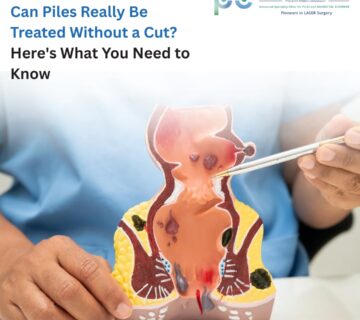
Piles are enlarged blood vessels in or around the anal canal. In normal condition, these veins help with bowel control, but when pressure increases in the rectal area, they may become swollen and irritated. Hemorrhoids can develop inside the rectum or outside the anus. Internal hemorrhoids are usually painless but may bleed, while external hemorrhoids may cause pain, itching, and swelling. Many people feel embarrassed to talk about piles, but delaying treatment can worsen symptoms. Early consultation with a piles specialist can help prevent complications and improve recovery.Types of Piles
Piles are mainly classified based on their location and severity. The most common types of piles include internal piles, external piles, prolapsed piles, and thrombosed piles.- Internal Piles
- Bright red blood after stool
- Painless bleeding during bowel movement
- Mucus discharge
- Itching or irritation
- Feeling of incomplete stool passage
- Lump coming out during straining in advanced cases
- External Piles
- Pain around the anus
- Swelling near the anal opening
- Itching and irritation
- Tender lump around the anus
- Discomfort while sitting
- Pain during bowel movement
- Burning sensation after passing stool
- Prolapsed Piles
- Lump coming out during stool passage
- Bleeding while passing stool
- Mucus discharge
- Irritation around the anus
- Feeling of pressure or heaviness
- Difficulty cleaning after bowel movement
- Discomfort while sitting or walking
- Thrombosed Piles
- Sudden severe anal pain
- Hard painful lump near the anus
- Swelling and tenderness
- Pain while sitting
- Bluish or dark lump in some cases
- Difficulty passing stool due to pain
Grades of Internal Piles
Internal piles are also classified into grades depending on how much they come out of the anus. Grade 1: Piles remain inside the rectum and may cause bleeding but do not come out. Grade 2: Piles come out during bowel movement but go back inside on their own. Grade 3: Piles come out and need to be pushed back manually. Grade 4: Piles remain outside and cannot be pushed back easily. Higher-grade piles usually need more advanced treatment than lifestyle changes alone.Common Causes of Piles
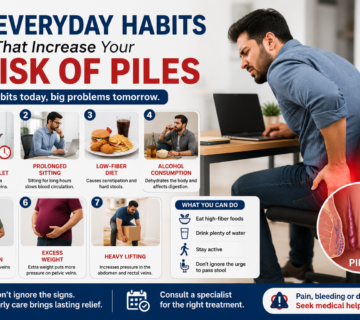
Piles develop when pressure increases in the veins of the lower rectum and anus. This pressure causes the veins to stretch, swell, and become painful or irritated. Mayo Clinic lists straining during bowel movements, sitting for long periods on the toilet, chronic diarrhea or constipation, obesity, pregnancy, low-fiber diet, and heavy lifting among common risk factors. Major Causes Include:- Chronic constipation
- Straining during bowel movements
- Sitting on the toilet for a long time
- Low-fiber diet
- Less water intake
- Obesity
- Pregnancy
- Heavy lifting
- Long sitting hours
- Aging
- Repeated diarrhea
- Family tendency of piles
Common Symptoms of Piles
Symptoms of Piles may differ depending on the type of piles. Some patients may only notice bleeding, while others may experience pain, itching, swelling, or a lump near the anus. Common Symptoms Include:- Bright red blood during or after stool
- Pain around the anus
- Itching and irritation
- Swelling near the anal opening
- Lump around the anus
- Mucus discharge
- Burning sensation
- Discomfort while sitting
- Feeling of incomplete bowel movement
- Pain while passing hard stool
Diagnosis of Piles
A piles specialist diagnoses the condition by checking symptoms, bowel habits, diet, medical history, and physical examination. External piles may be visible during examination. Internal piles may require digital rectal examination, anoscopy, proctoscopy, or other tests if bleeding is persistent or unusual. Mayo Clinic notes that diagnosis may include visual inspection and examination of the anal canal and rectum.Best Treatment Options for Piles
Treatment depends on the type, grade, severity, and symptoms of piles. Mild piles may improve with lifestyle changes, while advanced piles may require medical procedures.- Lifestyle and Diet Changes
- Eat fruits, vegetables, and whole grains
- Drink enough water daily
- Avoid straining during stool passage
- Do not sit on the toilet for too long
- Exercise regularly
- Avoid delaying bowel movements
- Reduce spicy and processed food if it triggers discomfort
- Medicines and Local Care
- Non-Surgical Procedures
- Laser Treatment for Piles
- Surgical Treatment
When Should You Visit a Piles Specialist?
You should visit a specialist if you notice repeated bleeding, severe pain, swelling, mucus discharge, a lump coming out from the anus, or symptoms that do not improve with basic care. Early treatment can help prevent worsening and reduce discomfort. Conclusion Understanding the types of piles, causes, symptoms, and best treatment options helps patients make informed decisions about their health. Internal piles usually cause painless bleeding, external piles cause pain and swelling, prolapsed piles may come out during bowel movements, and thrombosed piles can cause sudden severe pain. While mild piles may improve with diet, hydration, and medicines, advanced piles may need procedures or surgery. If you are experiencing piles symptoms, consult Dr. Rajendra Sonavane for accurate diagnosis, expert guidance, and suitable treatment options.
A fistula is a medical condition that can significantly affect a person’s daily life if left untreated. While many people may feel uncomfortable discussing anorectal problems, understanding the symptoms and seeking timely treatment can prevent complications and improve quality of life. If you have noticed pain, swelling, or discharge near the anal area, it is important to learn more about anal fistulas and the available treatment options.
What is a Fistula?
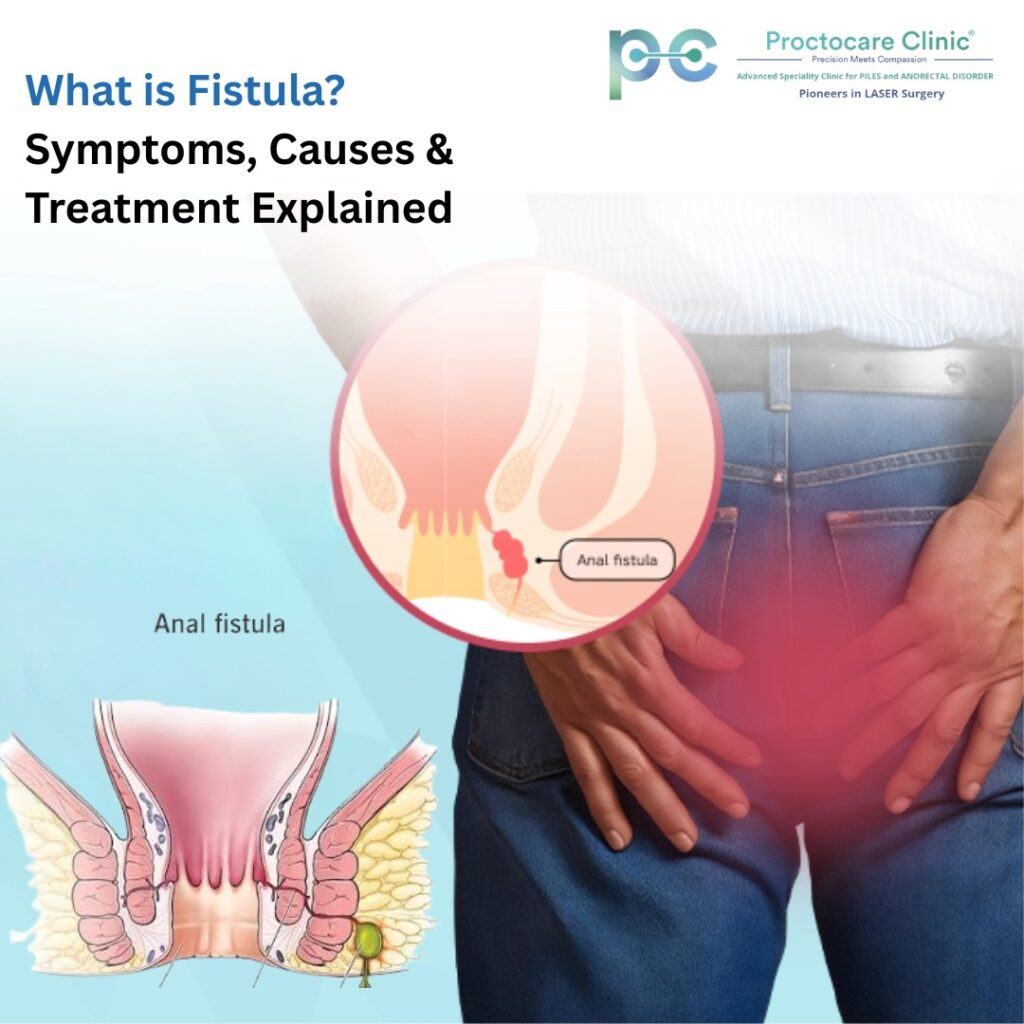
An anal fistula is an abnormal tunnel that develops between the inside of the anal canal and the skin surrounding the anus. It usually forms as a result of an infection in one of the small glands inside the anus. When an abscess (a collection of pus) develops and does not heal completely, it can create a passage connecting the infected gland to the skin surface. Fistulas rarely heal on their own and often require medical intervention. Early diagnosis and treatment can help prevent recurrent infections and discomfort.Common Symptoms of a Fistula
The symptoms of an anal fistula may vary depending on its size and severity. Some people experience mild discomfort, while others may face persistent pain and recurring infections. Common symptoms include:- Persistent pain around the anus
- Swelling or redness near the anal opening
- Pus or foul-smelling discharge
- Bleeding from the affected area
- Pain while sitting or during bowel movements
- Skin irritation around the anus
- Recurrent anal abscesses
- Fever in cases of active infection
What Causes a Fistula?
The most common cause of an anal fistula is an anal abscess. However, several other conditions can increase the risk of developing a fistula.
Anal Abscess
An infected anal gland can lead to an abscess. When the infection drains improperly or recurs, a fistula may form. Inflammatory Bowel Disease Conditions such as Crohn’s disease can cause chronic inflammation in the digestive tract, increasing the likelihood of fistula formation. Trauma or Injury Injuries to the anal area, including those resulting from surgery or accidents, can sometimes lead to fistula development. Tuberculosis and Other Infections Certain infections may contribute to the formation of abnormal tunnels in the anal region. Radiation Therapy Previous radiation treatment in the pelvic area can occasionally damage tissues and increase the risk of fistulas.Types of Anal Fistulas
Not all fistulas are the same. The location and complexity of the tunnel determine the type of fistula and the most appropriate treatment approach. Simple Fistula A simple fistula involves a straightforward tract and generally affects less muscle tissue. These are often easier to treat. Complex Fistula Complex fistulas may have multiple branches, involve more muscle tissue, or be associated with conditions such as Crohn’s disease. They typically require advanced treatment techniques.How is a Fistula Diagnosed?
Diagnosing a fistula begins with a thorough medical evaluation. A specialist will discuss your symptoms, review your medical history, and perform a physical examination. Additional diagnostic tests may include:- Anoscopy
- MRI scan
- Endoanal ultrasound
- CT scan in selected cases
- Examination under anesthesia
Treatment Options for Fistula
Unlike some anorectal conditions, fistulas usually do not heal completely with medications alone. The primary goal of treatment is to eliminate the infection and close the abnormal tract while preserving normal bowel control.Medications
Antibiotics may be prescribed to control infection and reduce inflammation. However, medications alone are generally not sufficient to cure a fistula. Fistulotomy A fistulotomy is one of the most commonly performed procedures for simple fistulas. During the procedure, the fistula tract is opened and allowed to heal from the inside out. Laser Fistula Treatment Laser treatment has become a popular option due to its minimally invasive nature. It offers several benefits, including:- Smaller wounds
- Reduced pain
- Minimal bleeding
- Faster recovery
- Shorter hospital stay
Advanced Surgical Procedures
For complex fistulas, surgeons may recommend specialized procedures such as flap surgery or sphincter-preserving techniques to reduce the risk of recurrence.Recovery After Fistula Treatment
Recovery depends on the type of fistula and the treatment performed. Most patients can return to their normal activities within a few days to a few weeks. To support healing:- Maintain good hygiene
- Drink plenty of water
- Eat a fiber-rich diet
- Avoid constipation
- Follow all post-treatment instructions
- Attend scheduled follow-up appointments
Can a Fistula Be Prevented?
Although not all fistulas can be prevented, certain measures may reduce the risk:- Seek prompt treatment for anal abscesses
- Maintain healthy bowel habits
- Consume a balanced, high-fiber diet
- Stay physically active
- Manage inflammatory bowel diseases effectively
- Avoid prolonged constipation
When Should You See a Specialist?
Many people delay treatment due to embarrassment or the hope that symptoms will disappear on their own. However, persistent pain, swelling, discharge, or recurring abscesses should never be ignored. Seeking professional care at the right time can help prevent the condition from worsening and improve treatment outcomes. FAQs on Fistula- What is the first sign of an anal fistula?
- Can an anal fistula heal without surgery?
- Is an anal fistula a serious condition?
- What causes an anal fistula to develop?
- How is an anal fistula diagnosed?
- How long does recovery take after fistula treatment?
- What is the cost of anal fistula treatment?
- Does health insurance cover fistula treatment?
No comment