
Proctocare Clinic — Dr. Rajendra Sonavane
Best Piles Doctor in Mumbai — Painless Laser Treatment
40+ years of experience, M.S., F.I.C.S., F.I.A.G.E.S. — trained in laser surgery in Germany & Poland. Day-care procedures, cashless support & no-cost EMI available across 5 Mumbai locations.
What Are Piles?
Piles are enlarged blood vessels in or around the anal canal. In normal condition, these veins help with bowel control, but when pressure increases in the rectal area, they may become swollen and irritated. Hemorrhoids can develop inside the rectum or outside the anus. Internal hemorrhoids are usually painless but may bleed, while external hemorrhoids may cause pain, itching, and swelling. Many people feel embarrassed to talk about piles, but delaying treatment can worsen symptoms. Early consultation with a piles specialist can help prevent complications and improve recovery.Types of Piles
Piles are mainly classified based on their location and severity. The most common types of piles include internal piles, external piles, prolapsed piles, and thrombosed piles.- Internal Piles
- Bright red blood after stool
- Painless bleeding during bowel movement
- Mucus discharge
- Itching or irritation
- Feeling of incomplete stool passage
- Lump coming out during straining in advanced cases
- External Piles
- Pain around the anus
- Swelling near the anal opening
- Itching and irritation
- Tender lump around the anus
- Discomfort while sitting
- Pain during bowel movement
- Burning sensation after passing stool
- Prolapsed Piles
- Lump coming out during stool passage
- Bleeding while passing stool
- Mucus discharge
- Irritation around the anus
- Feeling of pressure or heaviness
- Difficulty cleaning after bowel movement
- Discomfort while sitting or walking
- Thrombosed Piles
- Sudden severe anal pain
- Hard painful lump near the anus
- Swelling and tenderness
- Pain while sitting
- Bluish or dark lump in some cases
- Difficulty passing stool due to pain
Grades of Internal Piles
Internal piles are also classified into grades depending on how much they come out of the anus. Grade 1: Piles remain inside the rectum and may cause bleeding but do not come out. Grade 2: Piles come out during bowel movement but go back inside on their own. Grade 3: Piles come out and need to be pushed back manually. Grade 4: Piles remain outside and cannot be pushed back easily. Higher-grade piles usually need more advanced treatment than lifestyle changes alone.Common Causes of Piles
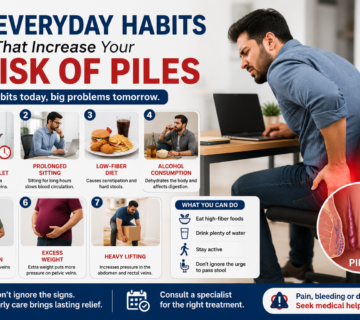
Piles develop when pressure increases in the veins of the lower rectum and anus. This pressure causes the veins to stretch, swell, and become painful or irritated. Mayo Clinic lists straining during bowel movements, sitting for long periods on the toilet, chronic diarrhea or constipation, obesity, pregnancy, low-fiber diet, and heavy lifting among common risk factors. Major Causes Include:- Chronic constipation
- Straining during bowel movements
- Sitting on the toilet for a long time
- Low-fiber diet
- Less water intake
- Obesity
- Pregnancy
- Heavy lifting
- Long sitting hours
- Aging
- Repeated diarrhea
- Family tendency of piles
Common Symptoms of Piles
Symptoms of Piles may differ depending on the type of piles. Some patients may only notice bleeding, while others may experience pain, itching, swelling, or a lump near the anus. Common Symptoms Include:- Bright red blood during or after stool
- Pain around the anus
- Itching and irritation
- Swelling near the anal opening
- Lump around the anus
- Mucus discharge
- Burning sensation
- Discomfort while sitting
- Feeling of incomplete bowel movement
- Pain while passing hard stool
Diagnosis of Piles
A piles specialist diagnoses the condition by checking symptoms, bowel habits, diet, medical history, and physical examination. External piles may be visible during examination. Internal piles may require digital rectal examination, anoscopy, proctoscopy, or other tests if bleeding is persistent or unusual. Mayo Clinic notes that diagnosis may include visual inspection and examination of the anal canal and rectum.Best Treatment Options for Piles
Treatment depends on the type, grade, severity, and symptoms of piles. Mild piles may improve with lifestyle changes, while advanced piles may require medical procedures.- Lifestyle and Diet Changes
- Eat fruits, vegetables, and whole grains
- Drink enough water daily
- Avoid straining during stool passage
- Do not sit on the toilet for too long
- Exercise regularly
- Avoid delaying bowel movements
- Reduce spicy and processed food if it triggers discomfort
- Medicines and Local Care
- Non-Surgical Procedures
- Laser Treatment for Piles
- Surgical Treatment
When Should You Visit a Piles Specialist?
You should visit a specialist if you notice repeated bleeding, severe pain, swelling, mucus discharge, a lump coming out from the anus, or symptoms that do not improve with basic care. Early treatment can help prevent worsening and reduce discomfort. Conclusion Understanding the types of piles, causes, symptoms, and best treatment options helps patients make informed decisions about their health. Internal piles usually cause painless bleeding, external piles cause pain and swelling, prolapsed piles may come out during bowel movements, and thrombosed piles can cause sudden severe pain. While mild piles may improve with diet, hydration, and medicines, advanced piles may need procedures or surgery. If you are experiencing piles symptoms, consult Dr. Rajendra Sonavane for accurate diagnosis, expert guidance, and suitable treatment options.Piles, also known as hemorrhoids, are a common condition that affects people of all ages. Despite being highly treatable, many individuals delay seeking medical help because they fear surgery. One of the most common questions patients ask is, “Can piles really be treated without a cut?”
The answer is yes. With advancements in medical technology, many cases of piles can now be treated using minimally invasive procedures that do not require traditional surgical cuts. These modern treatments offer effective relief, reduced pain, and quicker recovery compared to conventional surgery.
In this article, we will explore how piles develop, when treatment is necessary, and whether it is truly possible to treat piles without a cut.
What Are Piles?
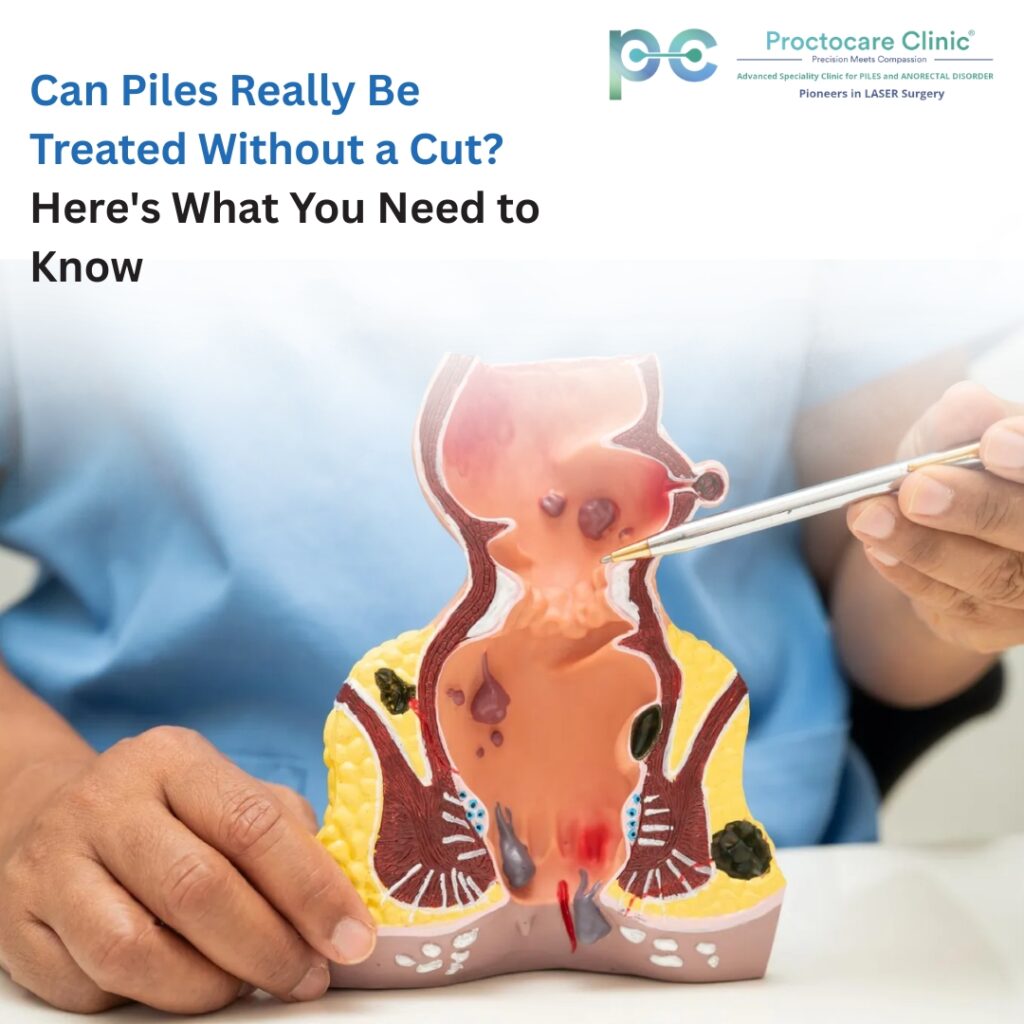
Piles are swollen veins located in the lower rectum or around the anus. They develop when increased pressure causes the veins to enlarge and become inflamed.
Piles are generally classified into two types:
Internal Piles
These occur inside the rectum and may not cause pain initially. However, they can lead to bleeding during bowel movements.
External Piles
These develop around the anal opening and may cause pain, itching, swelling, and discomfort.
Common symptoms of piles include:
- Bright red bleeding during bowel movements
- Pain or discomfort while sitting
- Itching around the anus
- Swelling near the anal area
- A lump around the anus
- Mucus discharge after passing stool
Why Do Piles Develop?
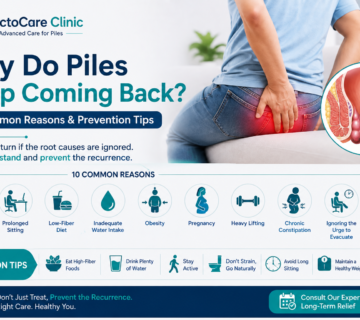
Several factors can contribute to the development of piles:
Chronic Constipation
Straining during bowel movements places excessive pressure on the veins in the rectal area.
Low-Fiber Diet
A diet lacking fiber often results in hard stools and difficulty passing them.
Prolonged Sitting
Sitting for long periods, especially on the toilet, can increase pressure on the anal veins.
Obesity
Excess body weight increases pressure on the pelvic and rectal veins.
Pregnancy
Pregnant women are more prone to piles due to increased abdominal pressure and hormonal changes.
Heavy Lifting
Repeatedly lifting heavy objects can strain the abdominal muscles and increase the risk of hemorrhoids.
Can Piles Really Be Treated Without a Cut?
The good news is that many patients today can avoid traditional surgery. Depending on the stage and severity of the condition, piles can often be treated using advanced, minimally invasive procedures that involve little to no cutting.
These treatments are designed to shrink or remove hemorrhoids while causing minimal disruption to surrounding tissues.
As a result, patients experience less pain, less bleeding, and a faster return to normal activities.
Modern Non-Surgical Treatments for Piles
Laser Piles Treatment
Laser treatment is one of the most advanced options available today.
A specialized laser beam is used to target the hemorrhoidal tissue. The laser seals the blood vessels supplying the pile, causing it to shrink naturally over time.
Benefits of Laser Treatment
- No major surgical cuts
- Minimal bleeding
- Less pain after the procedure
- Faster recovery
- Short hospital stay
- Quick return to work
This procedure is especially beneficial for patients looking for a comfortable and efficient treatment option.
Rubber Band Ligation
Rubber band ligation is commonly used for internal piles.
During the procedure, a small rubber band is placed around the hemorrhoid. This cuts off its blood supply, causing it to shrink and eventually fall off.
Advantages
- Simple outpatient procedure
- No surgical incision
- Minimal discomfort
- Quick recovery period
Sclerotherapy
This treatment involves injecting a special solution directly into the hemorrhoid.
The injected solution causes the blood vessels to collapse, leading to gradual shrinkage of the pile tissue.
Benefits
- No cuts or stitches
- Quick treatment
- Minimal recovery time
- Effective for early-stage piles
Infrared Coagulation
Infrared coagulation uses heat energy to shrink hemorrhoidal tissue.
The heat creates scar tissue that blocks blood flow to the hemorrhoid, causing it to reduce in size over time.
Advantages
- Non-invasive approach
- Little discomfort
- Fast procedure
- Suitable for smaller piles
Are These Treatments Effective?
Yes. Modern minimally invasive procedures have shown excellent success rates when performed on suitable candidates.
The effectiveness depends on:
- The grade of the piles
- The size of the hemorrhoids
- The patient’s overall health
- Following post-treatment instructions
For many patients, these treatments provide long-lasting relief from symptoms while avoiding the discomfort associated with traditional surgery.
Who Can Benefit from Non-Cutting Piles Treatment?
Patients with mild to moderate piles are often ideal candidates for minimally invasive treatment.
You may be suitable if you experience:
- Bleeding during bowel movements
- Mild to moderate prolapse
- Recurring discomfort
- Persistent itching
- Swelling around the anus
A consultation with a piles specialist can help determine the most appropriate treatment option.
Lifestyle Changes That Support Recovery
Regardless of the treatment chosen, healthy habits play an important role in preventing recurrence.
Eat More Fiber
Fiber softens stool and reduces the need for straining.
Good sources include:
- Fruits
- Vegetables
- Whole grains
- Lentils
- Beans
Drink Plenty of Water
Staying hydrated promotes smoother bowel movements and reduces constipation.
Stay Active
Regular physical activity supports healthy digestion and improves bowel function.
Avoid Prolonged Sitting
Taking breaks from sitting helps reduce pressure on the anal veins.
Do Not Ignore the Urge to Pass Stool
Delaying bowel movements can lead to harder stools and increased straining.
When Should You See a Piles Specialist?
You should seek medical attention if you experience:
- Repeated bleeding
- Severe pain
- Persistent itching
- A prolapsed hemorrhoid
- Difficulty sitting comfortably
- Symptoms that do not improve with home remedies
Early diagnosis can prevent complications and help you access less invasive treatment options.
Final Thoughts
So, can piles really be treated without a cut? In many cases, the answer is yes. Thanks to modern techniques such as laser treatment, rubber band ligation, sclerotherapy, and infrared coagulation, patients can now receive effective treatment with minimal discomfort and faster recovery.
While not every case is suitable for non-surgical treatment, many people can avoid traditional surgery altogether when diagnosed and treated early. If you are experiencing symptoms of piles, consulting a specialist can help you explore the best treatment options and regain your comfort and confidence.
Ignoring piles may allow the condition to worsen, but timely treatment can provide lasting relief and improve your overall quality of life.
No comment