Book Consultation
Pilonidal Sinus Surgery Benefits & Facilities

Day Care Procedures
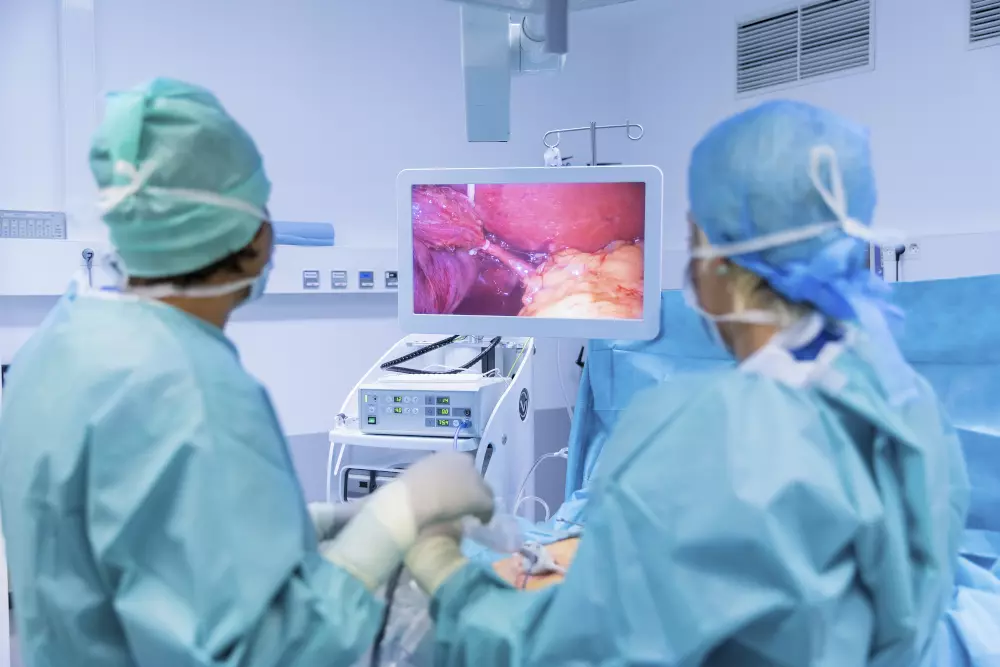
A day-care procedure is a medical procedure in which the patient may be discharged on the same day, depending on the procedure performed and the patient's clinical condition.

Cashless Support
Cashless treatment available depending on the patient's insurance coverage, hospital arrangements, and approval from the insurer.
Laser-Based Treatment Options
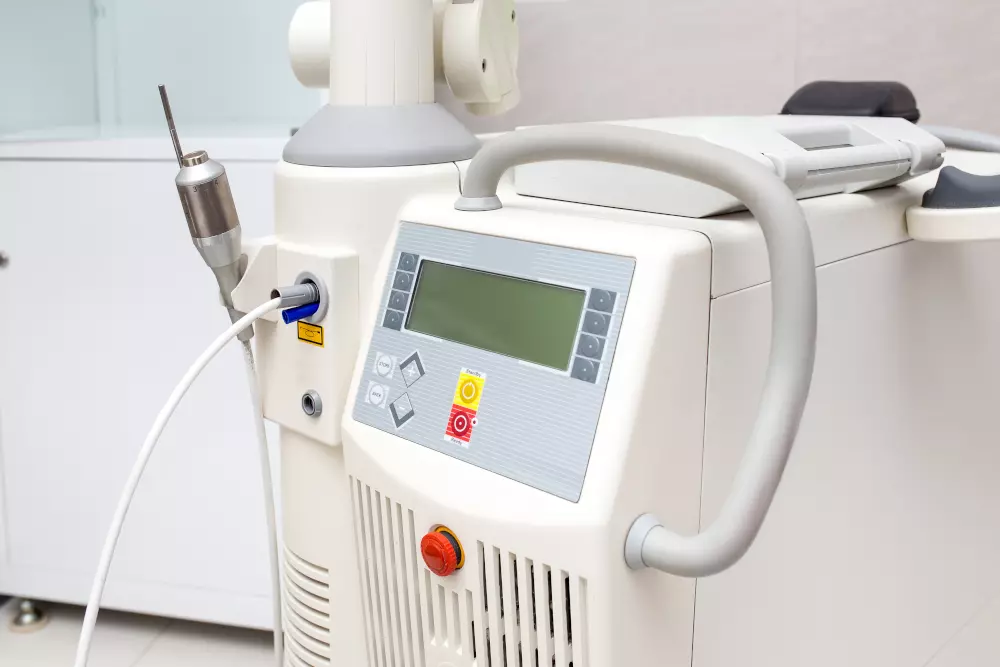
Laser-based procedures may be considered for selected patients, depending on the diagnosis and clinical assessment.
Treatment Technology and Procedures
Information about available treatment technologies and their medical applications can be provided following clinical assessment.
Hospital Accreditation Information
Information about hospital accreditation and available facilities can be confirmed with the relevant hospital, subject to verification of its current NABH accreditation status.
EMI Payment Options
Information about available EMI options, interest rates, and applicable payment terms can be provided by the clinic.

Pilonidal Sinus Surgery by Dr. Rajendra Sonavane

Dr Rajendra Sonavane
Doctor
Dr. Rajendra Sonavane’s Proctocare Clinic provides evaluation and treatment options for Pilonidal Sinus Surgery. A pilonidal sinus is a small tunnel or cavity that develops in the skin, usually near the tailbone at the top of the buttocks. It may contain hair and debris and can cause pain, swelling, redness, or discharge of pus or blood, particularly when sitting for prolonged periods. The condition may be associated with hair penetration into the skin, friction, and pressure in the affected area. Medical evaluation can help identify the condition and determine appropriate treatment.
Treatment for a pilonidal sinus depends on its severity and whether infection is present. Management may include wound care and hygiene measures, while persistent or infected cases may require a surgical procedure. Dr. Rajendra Sonavane evaluates patients and discusses treatment options based on their clinical condition. Surgical approaches, including minimally invasive or laser-assisted techniques, may be considered in selected cases where clinically appropriate. The potential benefits, risks, and recovery period depend on the procedure performed and the patient’s individual condition.
Pilonidal Sinus Diagnosis and Treatment Options
Your Consultation with Pilonidal Sinus Surgery
Diagnostic Services
- Medical History Check
- Physical Examination
- Sinus Opening Inspection
- Pain & Swelling Assessment
- Infection Check
- Ultrasound
- MRI Scan
- Recurrence Evaluation
Hospital Affiliations and Accreditation Information
Why Choose Us
- Pilonidal Sinus Evaluation by Dr. Rajendra Sonavane
- Clinical Assessment and Diagnosis
- Minimally Invasive Treatment Options
- Laser-Assisted Procedures, Where Indicated
- Treatment Planning Based on Clinical Needs
- Safe and Hygienic Clinic Environment
- Day-Care Procedures, Where Appropriate
Treatment Facilities and Care Options
Why opt for LASER treatment
- Minimally Invasive Procedure
- Potential pain and discomfort
- Recovery time and aftercare
- Hospital stay requirements
- Bleeding and infection risks
- Procedure precision and limitations
- High Precision Treatment
- Recurrence risks
- Wound healing and follow-up care
What is Pilonidal Sinus?
A pilonidal sinus is a small tunnel or cyst that develops in the skin, usually near the tailbone at the top of the buttocks. It often contains hair, dirt, and debris, which can lead to infection if not treated on time. This condition is more common in people who sit for long hours, have excessive body hair, or experience repeated friction in the area. Over time, the sinus may become painful, swollen, and filled with pus, causing discomfort during sitting, walking, or daily activities.
If ignored, a pilonidal sinus can turn into a recurring problem with repeated infections and discharge. That’s why early diagnosis and proper care are important. With advanced options like pilonidal sinus surgery, patients can get effective and long-lasting relief. Modern treatments focus on minimally invasive techniques that ensure faster healing, reduced pain, and a quicker return to normal life.
What are the signs and symptoms of pilonidal sinus?
Symptoms may vary from mild to severe and may include any of the following:
- A small hole or an opening in the natal cleft, Pus or other discharge which could be clear, cloudy or bloody, foul-smelling fluids.
- If infected, the area can become red and tender
- Pain or swelling in and around the tailbone area
- Painful lump under the skin
- Difficulty in sitting, riding due to pain in that area
- Fever, sometimes
What causes pilonidal sinus?
- Thick body hair growth in that region, which is more common with males
- People who have a sedentary lifestyle and those who sit for long hours at a stretch
- Hormonal changes particularly during puberty
- Obesity
- Family history
- History of previous pilonidal sinus
Video Insights on Pilonidal Sinus Surgery
Pilonidal Sinus Surgery : Understanding the Condition, Treatment Options, and Recovery
Learn About Pilonidal Sinus Care and Treatment Options
Visit Our Clinic for Pilonidal Sinus Surgery – Location & Directions
Proctocare Clinic, Kalyan
- Dr. Rajendra Sonavane's Proctocare Clinic
Dr Rajendra Sonavane's Proctocare Clinic, Thane
- Rosa Vista,Opp.Suraj Water Park, Ghodbandar Road, Thane(West)
Dr Rajendra Sonavane, Goregaon
- 179, Kamala Charan Bldg, Jawahar Nagar, Goregaon(West)
- 7021243789, 8097101000
Dr Rajendra Sonavane's Proctocare Clinic, Dombivli
- P-43, Phase II, Next to ICICI Bank, MIDC, Dombivli(East)
- 8097101000, 7021243789
Dr Rajendra Sonavane, Malad
- C/O - Citi Care Asia Hospital, New Link Road, Junction, Near Lakozy Toyota, Malad, Chincholi Bunder, Malad West, Mumbai 400 064
- 7021243789
Frequently Asked Questions About Pilonidal Sinus Surgery
When is pilonidal sinus surgery required?
Surgery is recommended when the sinus becomes infected, causes repeated abscesses, or does not heal with medications
Is laser surgery available for pilonidal sinus?
Laser-assisted procedures may be considered for selected pilonidal sinus cases, depending on the condition and clinical assessment. Treatment suitability, potential benefits, and recovery time vary from patient to patient.
How long does pilonidal sinus surgery take?
The procedure usually takes about 30 to 60 minutes depending on the severity of the condition.
How long is the recovery after pilonidal sinus surgery?
Most patients recover within a few days to a couple of weeks, depending on the treatment method.
Can pilonidal sinus come back after surgery?
There is a small chance of recurrence, but proper treatment and post-surgery care reduce the risk significantly.
What precautions should be taken after pilonidal sinus surgery?
Maintaining hygiene, avoiding prolonged sitting, and regular follow-ups with the doctor help ensure proper healing.