
Proctocare Clinic — Dr. Rajendra Sonavane
Best Piles Doctor in Mumbai — Painless Laser Treatment
40+ years of experience, M.S., F.I.C.S., F.I.A.G.E.S. — trained in laser surgery in Germany & Poland. Day-care procedures, cashless support & no-cost EMI available across 5 Mumbai locations.
Piles / Hemorrhoids
Fistula
Fissure
Laser Surgery
Piles, also known as hemorrhoids, are swollen veins that develop in the lower rectum or around the anus. They are a common anorectal condition and can cause bleeding, itching, pain, swelling, discomfort, and difficulty during bowel movements. Piles may occur due to constipation, straining, long sitting hours, pregnancy, obesity, low-fiber diet, or pressure on the rectal veins. Understanding the types of piles, causes, symptoms, and best treatment options can help patients identify the condition early and seek timely medical care.
What Are Piles?
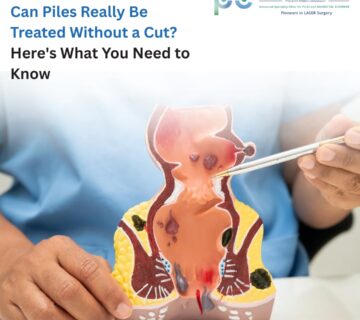
Piles are enlarged blood vessels in or around the anal canal. In normal condition, these veins help with bowel control, but when pressure increases in the rectal area, they may become swollen and irritated. Hemorrhoids can develop inside the rectum or outside the anus. Internal hemorrhoids are usually painless but may bleed, while external hemorrhoids may cause pain, itching, and swelling. Many people feel embarrassed to talk about piles, but delaying treatment can worsen symptoms. Early consultation with a piles specialist can help prevent complications and improve recovery.Types of Piles
Piles are mainly classified based on their location and severity. The most common types of piles include internal piles, external piles, prolapsed piles, and thrombosed piles.- Internal Piles
- Bright red blood after stool
- Painless bleeding during bowel movement
- Mucus discharge
- Itching or irritation
- Feeling of incomplete stool passage
- Lump coming out during straining in advanced cases
- External Piles
- Pain around the anus
- Swelling near the anal opening
- Itching and irritation
- Tender lump around the anus
- Discomfort while sitting
- Pain during bowel movement
- Burning sensation after passing stool
- Prolapsed Piles
- Lump coming out during stool passage
- Bleeding while passing stool
- Mucus discharge
- Irritation around the anus
- Feeling of pressure or heaviness
- Difficulty cleaning after bowel movement
- Discomfort while sitting or walking
- Thrombosed Piles
- Sudden severe anal pain
- Hard painful lump near the anus
- Swelling and tenderness
- Pain while sitting
- Bluish or dark lump in some cases
- Difficulty passing stool due to pain
Grades of Internal Piles
Internal piles are also classified into grades depending on how much they come out of the anus. Grade 1: Piles remain inside the rectum and may cause bleeding but do not come out. Grade 2: Piles come out during bowel movement but go back inside on their own. Grade 3: Piles come out and need to be pushed back manually. Grade 4: Piles remain outside and cannot be pushed back easily. Higher-grade piles usually need more advanced treatment than lifestyle changes alone.Common Causes of Piles
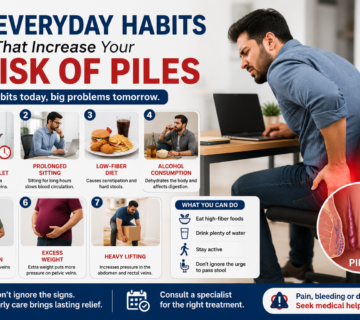
Piles develop when pressure increases in the veins of the lower rectum and anus. This pressure causes the veins to stretch, swell, and become painful or irritated. Mayo Clinic lists straining during bowel movements, sitting for long periods on the toilet, chronic diarrhea or constipation, obesity, pregnancy, low-fiber diet, and heavy lifting among common risk factors. Major Causes Include:- Chronic constipation
- Straining during bowel movements
- Sitting on the toilet for a long time
- Low-fiber diet
- Less water intake
- Obesity
- Pregnancy
- Heavy lifting
- Long sitting hours
- Aging
- Repeated diarrhea
- Family tendency of piles
Common Symptoms of Piles
Symptoms of Piles may differ depending on the type of piles. Some patients may only notice bleeding, while others may experience pain, itching, swelling, or a lump near the anus. Common Symptoms Include:- Bright red blood during or after stool
- Pain around the anus
- Itching and irritation
- Swelling near the anal opening
- Lump around the anus
- Mucus discharge
- Burning sensation
- Discomfort while sitting
- Feeling of incomplete bowel movement
- Pain while passing hard stool
Diagnosis of Piles
A piles specialist diagnoses the condition by checking symptoms, bowel habits, diet, medical history, and physical examination. External piles may be visible during examination. Internal piles may require digital rectal examination, anoscopy, proctoscopy, or other tests if bleeding is persistent or unusual. Mayo Clinic notes that diagnosis may include visual inspection and examination of the anal canal and rectum.Best Treatment Options for Piles
Treatment depends on the type, grade, severity, and symptoms of piles. Mild piles may improve with lifestyle changes, while advanced piles may require medical procedures.- Lifestyle and Diet Changes
- Eat fruits, vegetables, and whole grains
- Drink enough water daily
- Avoid straining during stool passage
- Do not sit on the toilet for too long
- Exercise regularly
- Avoid delaying bowel movements
- Reduce spicy and processed food if it triggers discomfort
- Medicines and Local Care
- Non-Surgical Procedures
- Laser Treatment for Piles
- Surgical Treatment
No comment