
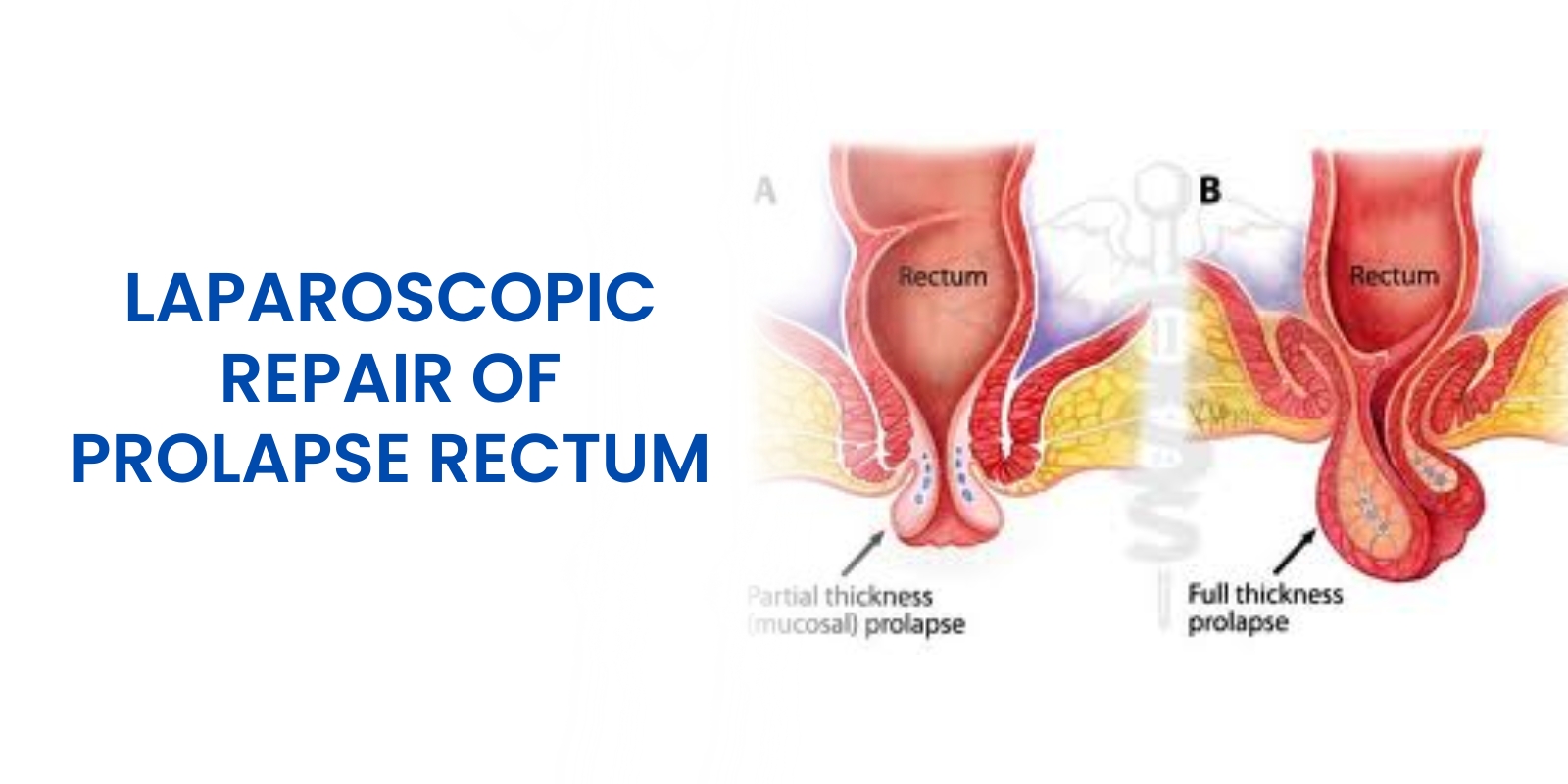
What is Laparoscopic Repair of Prolapse Rectum?
Laparoscopic Repair of Prolapse Rectum is a surgical technique that corrects rectal prolapse using a laparoscope—a thin tube with a camera and light attached. This camera allows the surgeon to clearly view the internal organs on a monitor while performing the procedure with specialized instruments.
During the surgery, the rectum is carefully repositioned and secured back to its normal location within the pelvis. In some cases, a mesh or sutures may be used to support the rectum and prevent it from prolapsing again. The goal of the procedure is to restore normal anatomy and improve bowel function.
Because laparoscopic surgery requires only small incisions, patients typically experience less discomfort and a quicker return to normal activities.
Benefits of Laparoscopic Repair of Prolapse Rectum
- Minimally Invasive Procedure
- Less Post-Surgical Pain
- Faster Recovery
- Reduced Risk of Complications
- Shorter Hospital Stay
- Improved Bowel Function
How Laparoscopic Repair of Prolapse Rectum Works
Laparoscopic Repair of Prolapse Rectum is typically performed in a hospital setting using advanced surgical equipment. The procedure usually takes about one to two hours and is performed under general anesthesia.
The surgical process generally involves the following steps:
- Small incisions are made in the abdomen to insert the laparoscope and surgical instruments.
- The laparoscope provides a clear view of the rectum and surrounding structures on a monitor.
- The surgeon carefully repositions the prolapsed rectum back into its normal position.
- The rectum is then secured to the sacrum (a bone in the lower spine) using sutures or surgical mesh.
- The instruments are removed, and the small incisions are closed.
This approach helps restore the normal structure and function of the rectum while minimizing surgical trauma.
Recovery After Laparoscopic Repair of Prolapse Rectum
Recovery after laparoscopic rectal prolapse surgery is usually faster than traditional open surgery. Patients may experience mild discomfort during the initial recovery period, but this typically improves within a few days.
To support proper healing, patients are usually advised to:
- Follow a fiber-rich diet to prevent constipation
- Drink plenty of fluids throughout the day
- Avoid heavy lifting or strenuous activities during the early recovery period
- Take prescribed medications as directed
- Attend follow-up appointments to monitor healing progress
Most individuals can gradually return to normal activities within a few weeks, depending on their overall health and recovery.